Selling
Moving From Queens to Nassau County? A Homeowner’s Guide to Making the Move
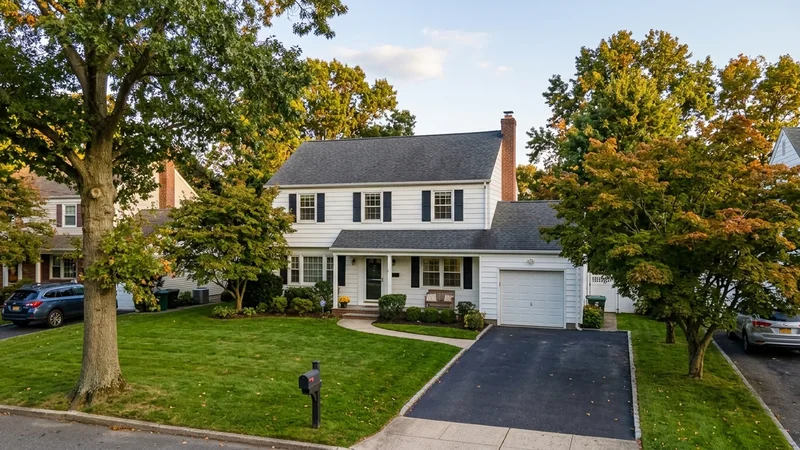
Many Queens homeowners look east to Nassau County for a different kind of home. Here is how to think about timing, financing, taxes, housing styles, and coordinating two transactions.
On this page
Why Queens homeowners look east to Nassau County
For many people who own in Middle Village, Maspeth, Ridgewood, or Glendale, Nassau County comes up when they start thinking about a different kind of home. A driveway, a yard, or a detached house are common reasons people begin looking across the county line.
Others want a quieter street, a different commute, or simply a change of scenery while staying within reach of the city. Whatever the reason, the move involves two transactions in two different markets, and each one has its own rules, paperwork, and rhythm to plan around.
This guide walks through the decisions that tend to matter most, so you can plan the move before you start touring homes out east.
Selling first versus buying first
Selling your Queens home first means you know exactly what you have to work with for the next purchase. The tradeoff is that you may need a place to stay in between the two homes.
Buying in Nassau County first can mean one move instead of two, but it can also mean carrying two homes for a while or making an offer that depends on your sale. It helps to decide which side feels less flexible for you before you fall for a particular house. Sellers who have worked with Adam often point to his professionalism:
…We were so impressed with the professionalism of Mr. Krzesniak that when our contract expired with the real estate we were with, we signed a contract with Mr. Krzesniak and his team.…
Timing the two transactions
Lining up a sale and a purchase so the closings land near each other is possible, but calendars rarely cooperate perfectly. Building in some flexibility on both sides usually reduces stress.
Some sellers ask for extra time after closing to move out, and some buyers can be flexible on a move-in date. Your attorney can explain which options fit your contract and how they work.
Downsizing can be part of this too. If you want less space or less upkeep, a smaller home or a simpler property type may make the timing easier to manage.
Financing options
Financing a Nassau purchase while you still own in Queens raises its own questions: whether you can carry both homes, whether the purchase depends on your sale, and how much you plan to put down.
Lenders offer different approaches for buyers who are also selling, and the right one depends on your income, equity, and timing. Talk with a lender early, well before you make an offer.
Property taxes and housing styles in Nassau County
Two differences tend to surprise Queens homeowners, and both are worth understanding before you start touring:
- Property taxes are assessed by Nassau County, so check the assessor’s records for any home you like
- Your accountant can explain how taxes and any exemptions apply to your situation before you commit
- Housing styles shift from attached brick homes toward detached houses on wider lots
- You will see capes, colonials, ranches, and split-levels, each with its own layout and upkeep
None of these is right for everyone. The choice depends on how much space you want, how much upkeep you are willing to keep, and what fits your budget once taxes are confirmed.
Comparing the two sides of the move
A simple comparison can make the moving parts easier to see. This is a general starting point, not advice for any specific property:
| Selling in Queens | Buying in Nassau | |
|---|---|---|
| Timing and sequence | List date, contract, and closing date | Offer, contingencies, and move-in date |
| Financing questions | Equity available once the sale closes | Loan approval and whether it depends on a sale |
| Property taxes | Final bills settled at closing | Check the county assessor and ask your accountant |
| Housing styles | Attached and semi-detached homes, co-ops | Detached houses on a range of lots |
| Who coordinates | Adam, your attorney, and your lender | The same team on both sides |
Taxes, financing, and fees vary widely from home to home. Confirm the details for any specific property with current information, your accountant, your attorney, and your lender before relying on this.
Coordinating the sale and purchase
The smoothest moves usually have one person keeping both transactions in view. That means sharing dates between the two contracts, keeping both attorneys informed, and making sure the lender knows where the sale stands. When one side shifts, the other can adjust before it becomes a problem.
Adam Krzesniak and the DreamHouse Team at Keller Williams Realty Landmark II work across Queens, North Brooklyn, and Nassau County, so the same team can help on both the selling side and the buying side of the move.
Where to start
You do not need to pick a town or a house before talking it through. Start with why you want to move, how much space and upkeep you want, and which side of the move feels less flexible.
Adam has worked in Queens real estate since 2001 and speaks English and Polish. If you are thinking about moving from Middle Village, Maspeth, Ridgewood, Glendale, or nearby to Nassau County, he can help you plan both sides from the first conversation.
This article is educational and reflects publicly available information. It is not legal, tax, financial, medical, or estate-planning advice. SRES is a real estate credential, not a legal or care specialty. Confirm estate, tax, and care questions with qualified advisors, and confirm current listings and pricing with a licensed New York real estate professional.

Written by