Compare & Invest
Greenpoint Real Estate: A Local Guide for Buyers, Sellers & Investors
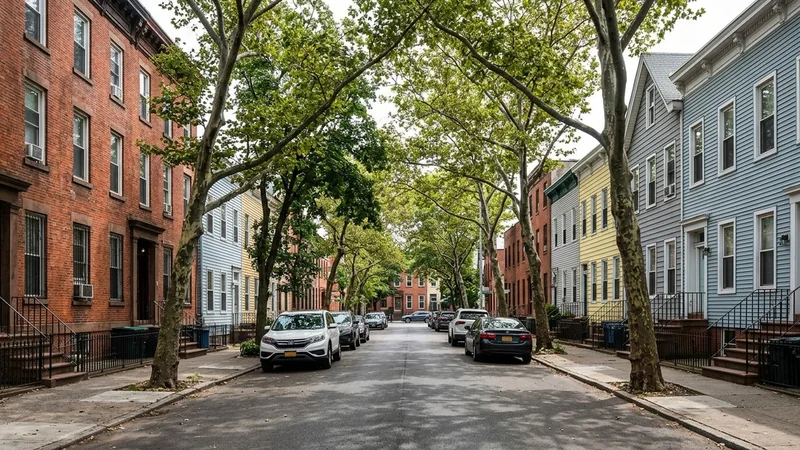
Greenpoint, in North Brooklyn, mixes row houses, frame homes, small multifamily buildings and newer waterfront condos. Here is how buyers, sellers and investors can read this market.
On this page
Greenpoint at a glance
Greenpoint is the northernmost neighborhood in Brooklyn, part of North Brooklyn, bordered by the East River, Newtown Creek and Williamsburg. Across the creek sits Long Island City in Queens.
It is a compact neighborhood with a strong main-street feel along Manhattan Avenue, older residential blocks, and a waterfront that has changed a great deal.
This guide covers Greenpoint housing types, what buyers tend to prioritize, how condos, townhomes and multifamily compare, and what sellers and investors should weigh.
Homes and the priorities behind them
Greenpoint’s housing ranges from older row houses and frame homes on side streets to newer condo buildings closer to the water. Many older homes hold two or more units.
Rather than one typical buyer, Greenpoint attracts a range of priorities. Some want the space of a whole house, others want a lock-and-leave condo, and many want both character and convenience.
Those priorities shape which homes move quickly and how sellers should present them. Knowing which feature matters most to the likely buyer for your home is a strong place to start.
Amenities, parks and getting around Greenpoint by train
Daily life here leans walkable. Manhattan Avenue and Franklin Street carry shops, cafes and restaurants, and McCarren Park and the waterfront parks along the East River add open space.
For transit, the G train runs through Greenpoint toward Long Island City and deeper into Brooklyn, the L train is reachable in nearby Williamsburg, and NYC Ferry service stops along the waterfront. Bike lanes and the Pulaski Bridge to Queens round out the options.
These connections matter to how a listing is described. Walking distance to the train, the ferry or the park is something buyers ask about early, so it belongs in the listing.
What Greenpoint buyers tend to prioritize
When you weigh Greenpoint homes, buyers tend to prioritize a few things consistently.
- Property type: a full townhouse, a condo, or a building with income
- Commute: closeness to the G train, the L train or the ferry
- Space: outdoor areas, storage, room count and layout
- Waterfront access, nearby parks and open river views
Ranking these helps buyers focus their search and helps sellers decide what to highlight in photos, the listing description and showings.
Comparing condos, townhomes and multifamily
The table below compares the three main property types in Greenpoint. It is a starting point for discussion, not a recommendation for any one purchase or sale.
| What it can offer | What to look into | |
|---|---|---|
| Newer waterfront condo | Amenities, views and lower upkeep | Common charges, building rules and reserves |
| Townhome or row house | Private space, yard and character | Age of systems, roof and any past renovation |
| Small multifamily | Rental income beside your own unit | Leases, unit condition and rental rules |
| Older condo or co-op building | Established building, central blocks | Board approval, finances and policies |
| Mixed-use corner building | Retail below, apartments above | Commercial leases, zoning and financing |
Building finances, rental regulations and zoning are property specific. Review any purchase with your attorney, lender and licensed real estate professional before relying on general guidance like this.
Investment and selling considerations
For investors, Greenpoint’s draw is its North Brooklyn location, transit and older multifamily stock. Rental rules, leases and building condition shape any return, so study each property.
For sellers, strategy starts with knowing which of those buyer priorities your home answers best. A townhouse with a yard, a condo near the water and a two-family with a rental unit each call for different photos and a different description. Pricing should rest on current comparable sales, which Adam can pull for your block, not on headlines.
Bringing it to a first conversation
You do not need every answer before you begin. It helps to bring a few things to the first conversation.
- Whether you are buying, selling, or doing both
- The property type and commute that matter most
- Any building, lease or repair questions you have
- Your rough timeline and financing status
Adam Krzesniak and his DreamHouse Team work in Greenpoint and across North Brooklyn and Queens. Reach out to Adam to compare homes, review comparable sales, and plan your next move.
This article is educational and reflects publicly available information. It is not legal, tax, lending, or pricing advice, and past client experiences are not a forecast for your sale. Confirm current market data, contract terms, and any legal or tax questions with a licensed New York real estate professional and other qualified advisors.

Written by